
In today’s digital world, a business website is not just an online presence—it is a powerful tool for building brand image, customer trust, and sales growth. That’s why every decision made while creating a website should be viewed from a business and marketing impact perspective.
1. Clear Website Purpose
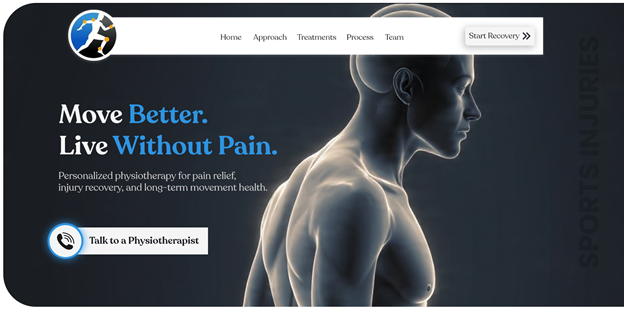
When a visitor lands on your website, they should understand within the first 5 seconds what your business is about and what services you offer. If this clarity is missing, visitors are likely to leave without exploring further.
Your homepage should have a clear headline, a short description, and relevant visuals that instantly tell visitors whether your website is useful for their needs. A clear purpose keeps visitors engaged and motivates them to take the next step.
2. Proper Website Structure
Website structure plays a major role in marketing because it decides how easily visitors can understand information. Pages should follow a logical flow that guides users naturally through the website.
A strong structure follows this flow:
Problem → Solution → Proof → Process → Action
When this flow is clear, visitors don’t feel confused and are more likely to move forward, increasing inquiry and conversion chances.
3. Strong Call-to-Action (CTA)
The main goal of marketing is to turn visitors into action-takers. That’s why every website needs strong and clear CTAs. A CTA tells users exactly what they should do next—without hesitation.
Clear CTAs like Book an Appointment, Get a Demo, or Contact Now guide visitors and improve inquiry rates. Without CTAs, a website becomes just an inform ation page with no results.
4. Easy Booking, Demo, and Contact Options
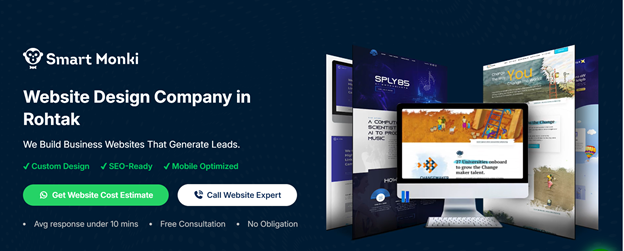
Marketing efforts fail when customers want to connect but find it difficult to do so. Your website should make booking, demos, and contact options easily accessible.
Simple forms, call buttons, or WhatsApp options make the process smooth. The easier it is to connect, the higher the chances of inquiries and conversions.
5. User-Friendly Experience
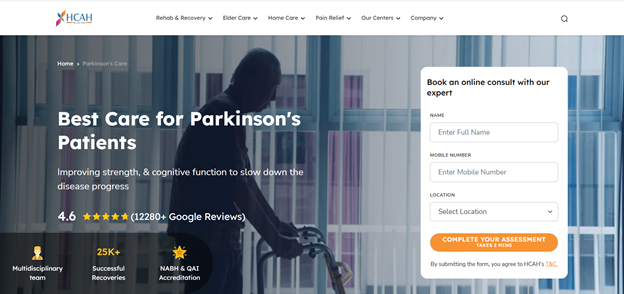
From a marketing perspective, a website works only when users feel comfortable using it. Navigation should be simple, content should be easy to read, and buttons should be clear and understandable.
If a website requires too much effort to use, visitors will leave without taking action. A user-friendly website keeps visitors engaged and improves conversion rates.
6. Mobile-Friendly Experience
Most customers today visit websites through mobile devices. That’s why a mobile-friendly website is essential for marketing success.
Your website should open easily on mobile, text should be readable, and buttons should function properly. A smooth mobile experience builds trust and increases the chances of user action.

7. Trust and Credibility Elements
Customers take action only when they trust a business. Adding trust elements such as reviews, testimonials, or certifications helps build that confidence.
These elements reduce doubts and make decision-making easier for visitors, leading to more inquiries and conversions.
8. Website Speed and Smooth Performance
Website speed is critical from a marketing perspective. If a website takes too long to load, visitors won’t wait and will leave immediately.
A fast and smooth website keeps users engaged, presents a professional brand image, and increases inquiry and conversion opportunities.
9. Strong Footer Section
The footer is not just the end of a website—it’s the last chance to convert a visitor. A strong footer should include clear contact details, important page links, quick CTAs, social links, and copyright information.
A well-structured footer encourages visitors to take action before leaving and gives the website a professional finish.
10. Future Growth and Scalability
A website should be built in a way that supports business growth over time. Adding new services, pages, or features in the future should be easy.
A scalable website saves time and cost because it doesn’t require rebuilding everything for updates. From a marketing perspective, this long-term planning supports consistent business growth.
Conclusion
A successful business website is not just visually appealing—it actively supports business growth. When a website is built with a marketing mindset, it builds trust, generates inquiries, and delivers better results.
If you are looking to build a website for your business, contact Smart Monki via email at info@smartmonki.in, or call us at (+91 99911 13378), to get started. Have any questions or doubts? Talk to our expert and get clear guidance for your business website.